Susumu Takashima
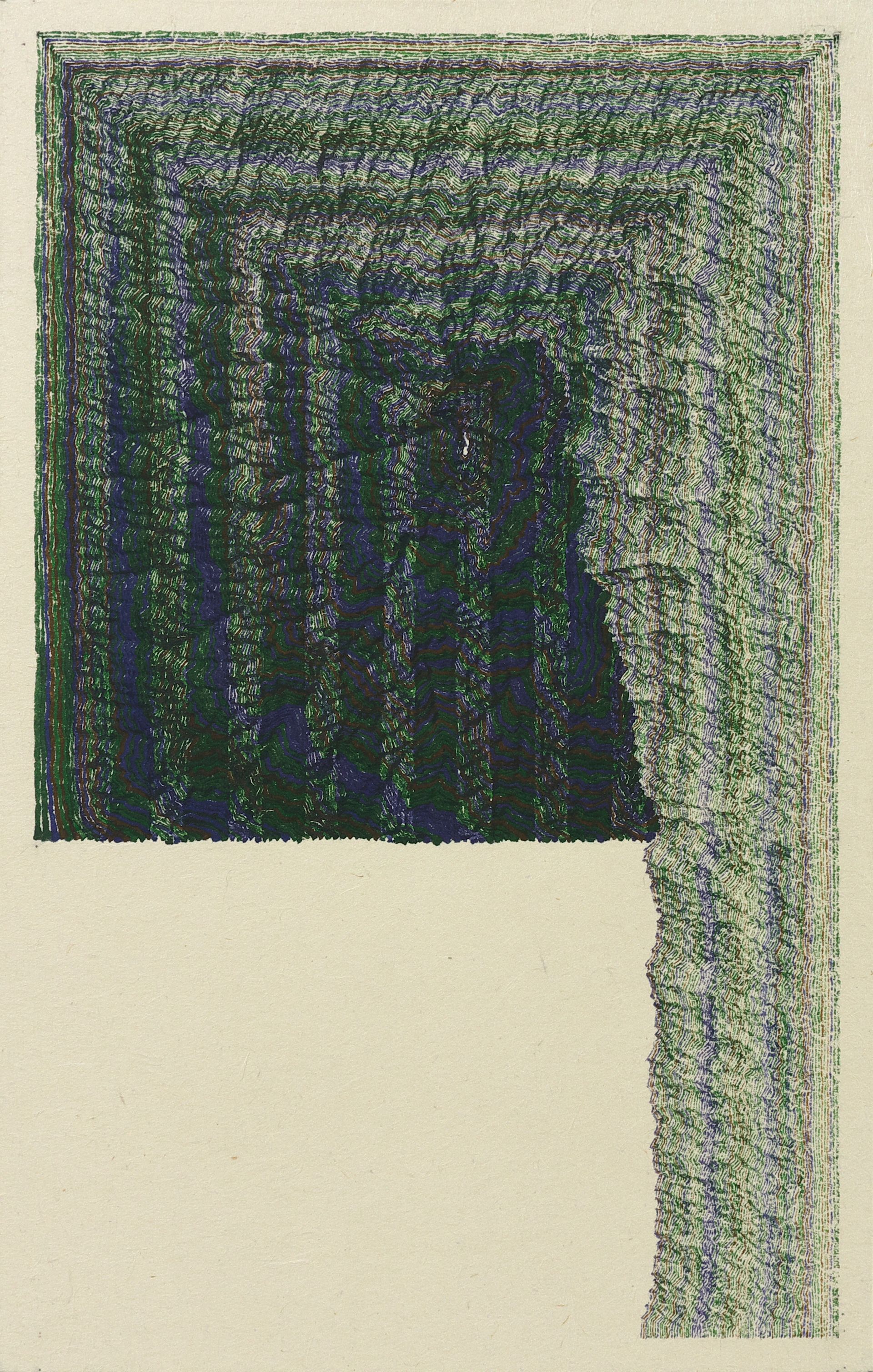
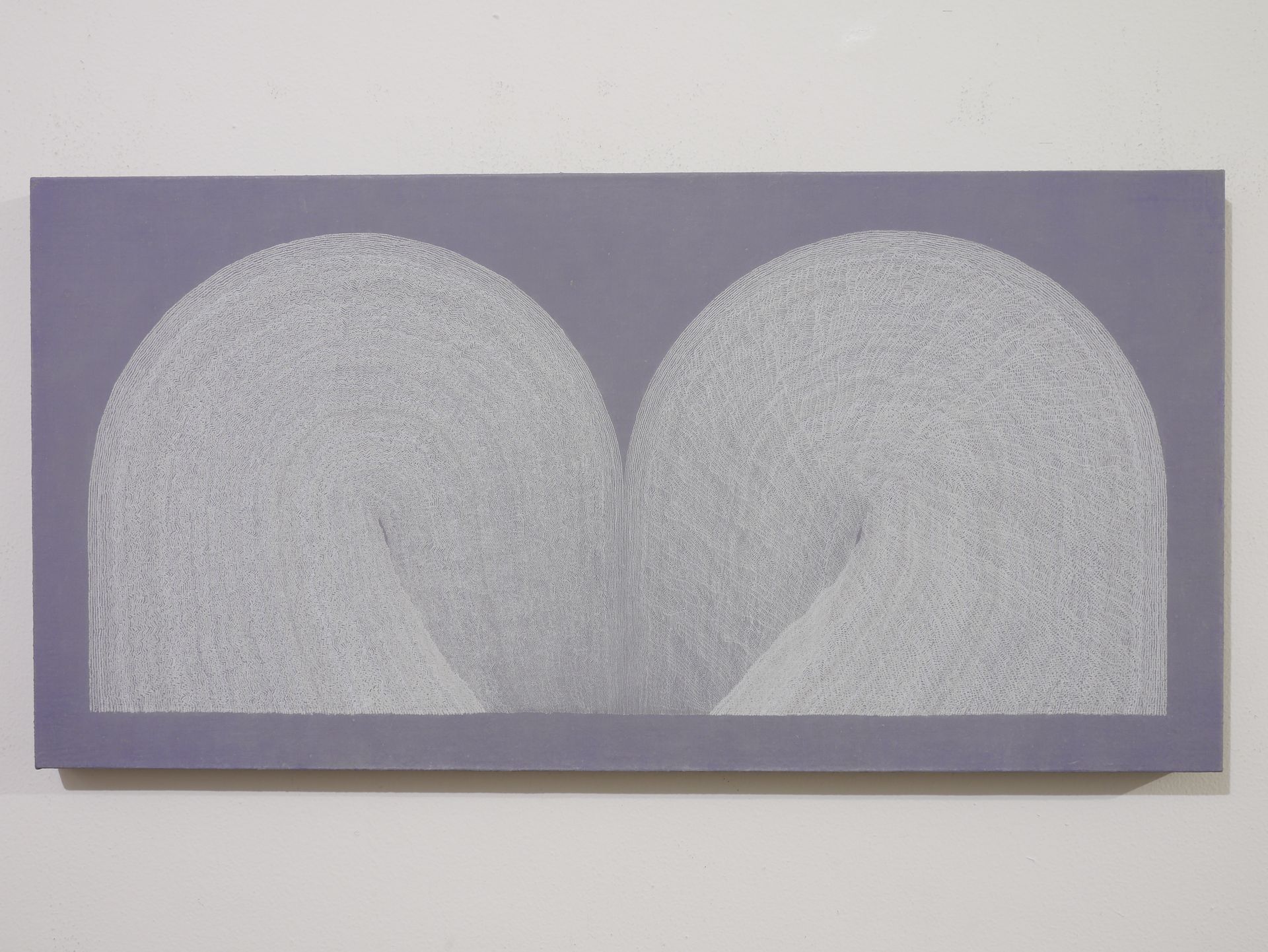
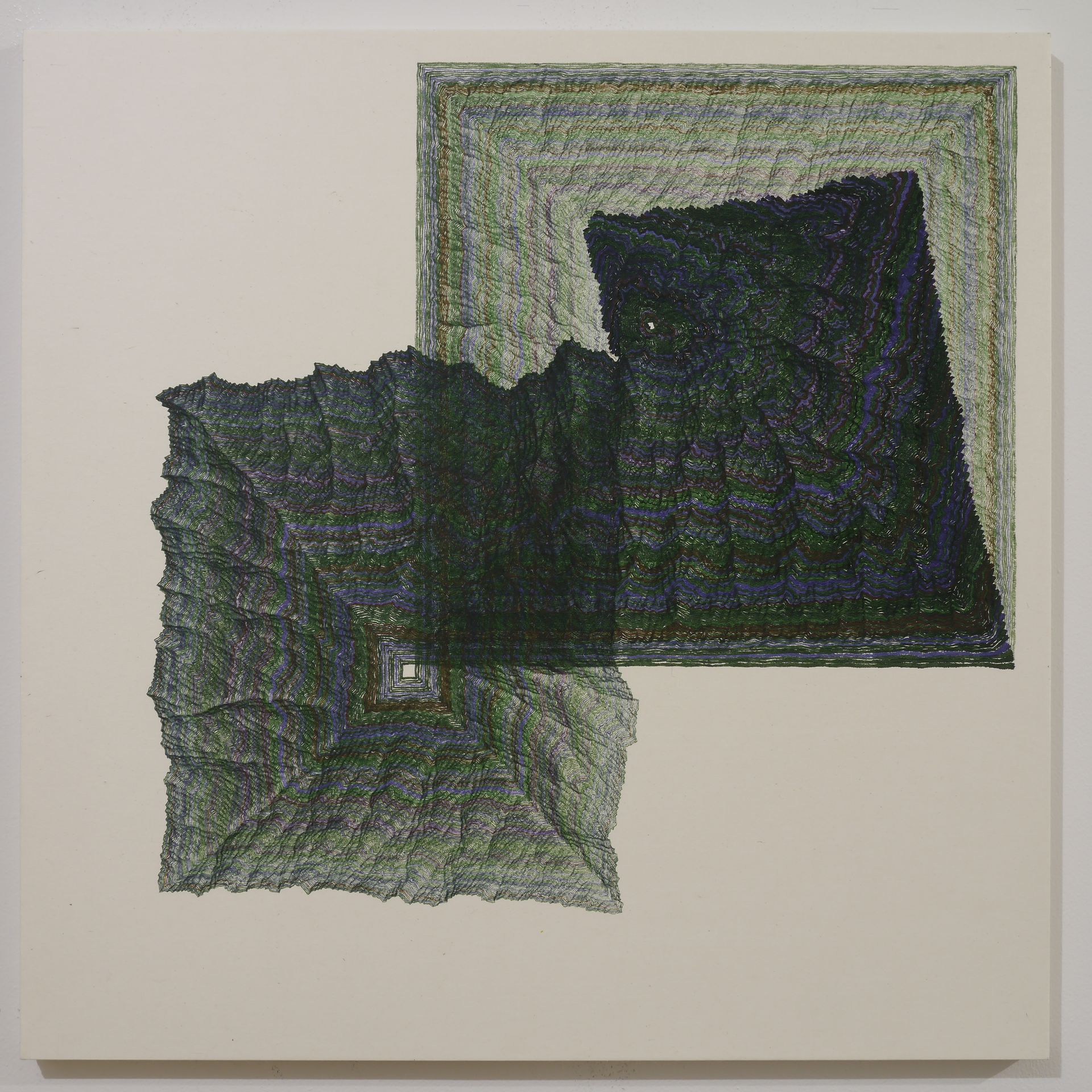
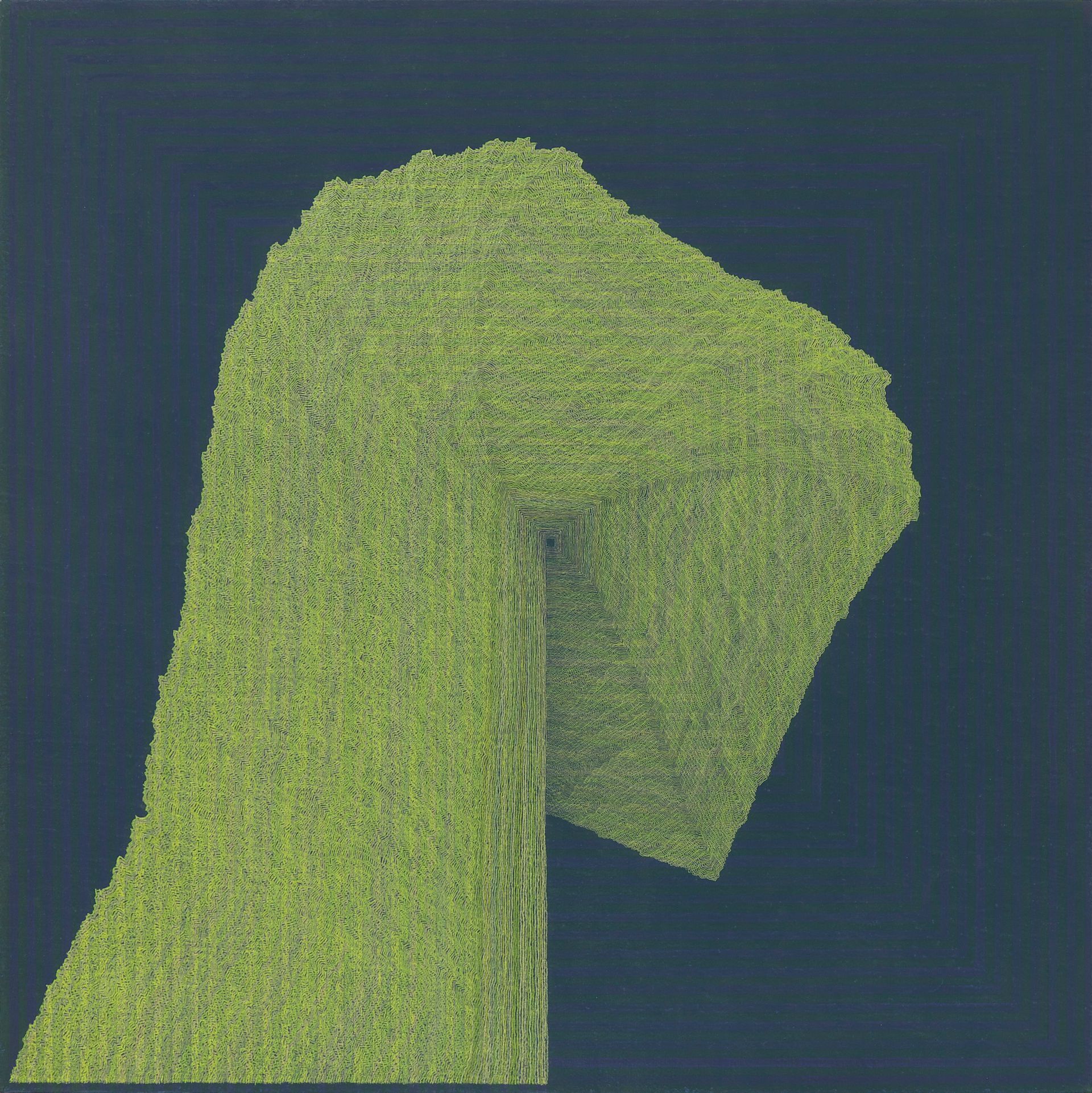
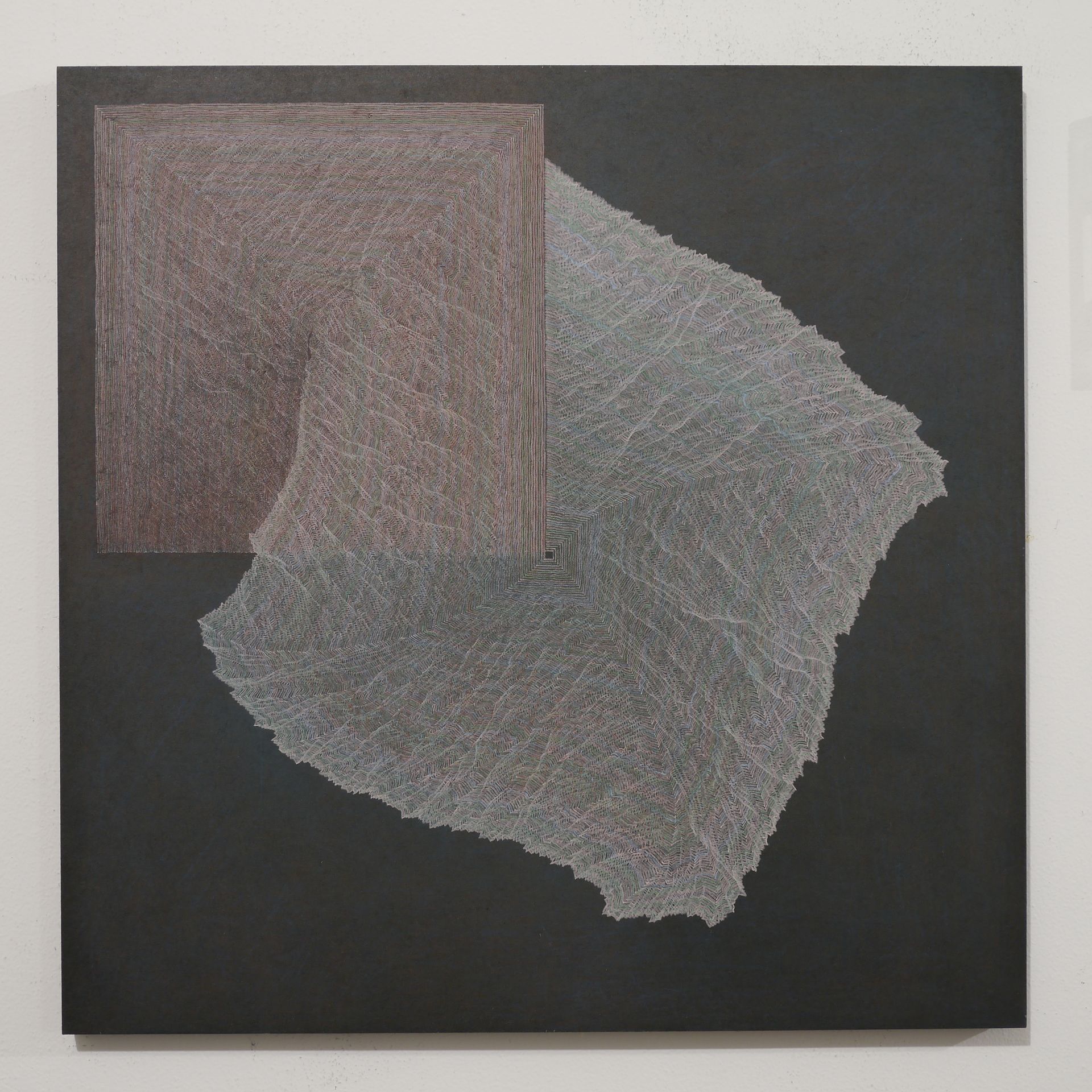
Susumu Takashima is a Japanese artist whose practice centers on the disciplined accumulation of lines produced through brushes, colored pencils, metalpoint, and goldpoint.
Born in Kobe in 1959 and raised in Kakogawa, he grew up in an environment steeped in architecture: his father specialized in the construction of temples and shrines. Takashima’s sensitivity to structural rhythm began early and went on through formative training between the ages of five and twelve with Keihachiro Fujimoto, a student of the abstract sculptor Masakazu Horiuchi. This early exposure laid the foundation for his lifelong preoccupation with the expressive potential of the line.
Takashima graduated from the Department of Architecture at Musashino Art University in 1982, then continued his studies in painting for two years at Musashino Art School, followed by a year at the Instituto Allende in Mexico. It was during the following years of experimentation that he discovered the behaviors of drawing tools: a brush soaked in ink produces lines that begin thick and gradually fade, creating natural depth.A sharpened colored pencil produces the inverse, beginning as a fine whisper before growing thicker as the tip wears down. Metalpoint offers yet another logic, generating consistent vibratory lines. For eight years Takashima refined these discoveries until, in 1997, he received his first major recognition.
Takashima describes his works as “crystals of lines”; forms generated not by representation, but by the inherent properties of the materials themselves. His titles reflect this philosophy: Drawing for Brush, Ink and Paper; Drawing for Pencil Sharpener, Colored Pencil and Canvas; Drawing for Metalpoint and Paper. All of this forming the nomenclature of classical instrumental compositions.
Each work is a performance of time and material: lines accumulate, modulate, fade, or thicken according to the tool’s own structure. Some drawings incorporate chance (dice determining the order of colors or compositional parameters)
while others unfold in recursive square-spiral formations, often leaving a tiny unmarked aperture at the center like a quiet nucleus.
“I play tools and materials like a musician plays an instrument; each line a performance, each drawing an accumulation of gestures over time.”
Takashima’s drawings reveal the evolution of the line, the rhythm of repetition, and the quiet structure of time.
His work has gained international recognition through its inclusion in significant public and private contexts. Notably, his drawing One-A (2011) is held in the collection of the National Gallery of Art in Washington, D.C., underscoring the institutional relevance of his practice. Over the past decade, Takashima has participated in curated exhibitions and projects across Japan, Europe, and the United States, including presentations at Soka Art Center in Taiwan, Chandler Fine Art in San Francisco, and multiple contemporary art fairs such as YIA Art Fair in Paris and OFF Art Fair in Brussels.structure of time.
While rooted in intimate, gesture-driven works on paper, Takashima’s drawings resonate far beyond their scale, embodying a rigorous conceptual exploration that has attracted curators, institutions, and collectors worldwide.
Selected works