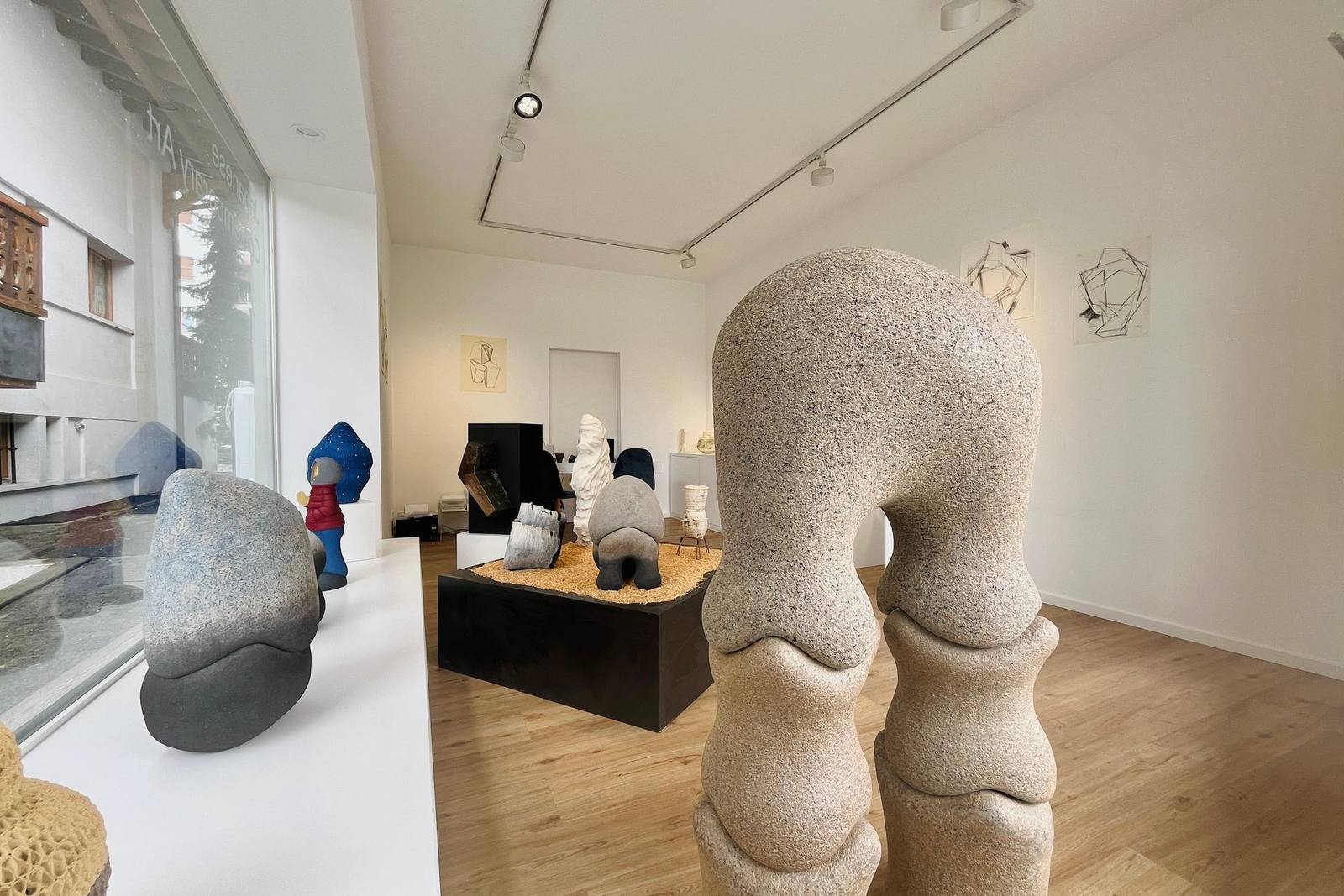
Form and Earth Resonances
Group Show — Contemporary Japanese Ceramics
AIFA Gallery is thrilled to present Form and Earth Resonances, an exhibition that aims to showcase diverse representations of a common relationship between form and matter. Through the ceramic work of outstanding artists including Natsuki Shibata, Kansai Noguchi, Namika Nakai, Chisato Yasui, Shinya Tanoue, Sayuri Ikake, Kenji Gomi, and Teruri Yamawaki, this group show offers a panoramic view on the beauty of Japanese contemporary ceramics.
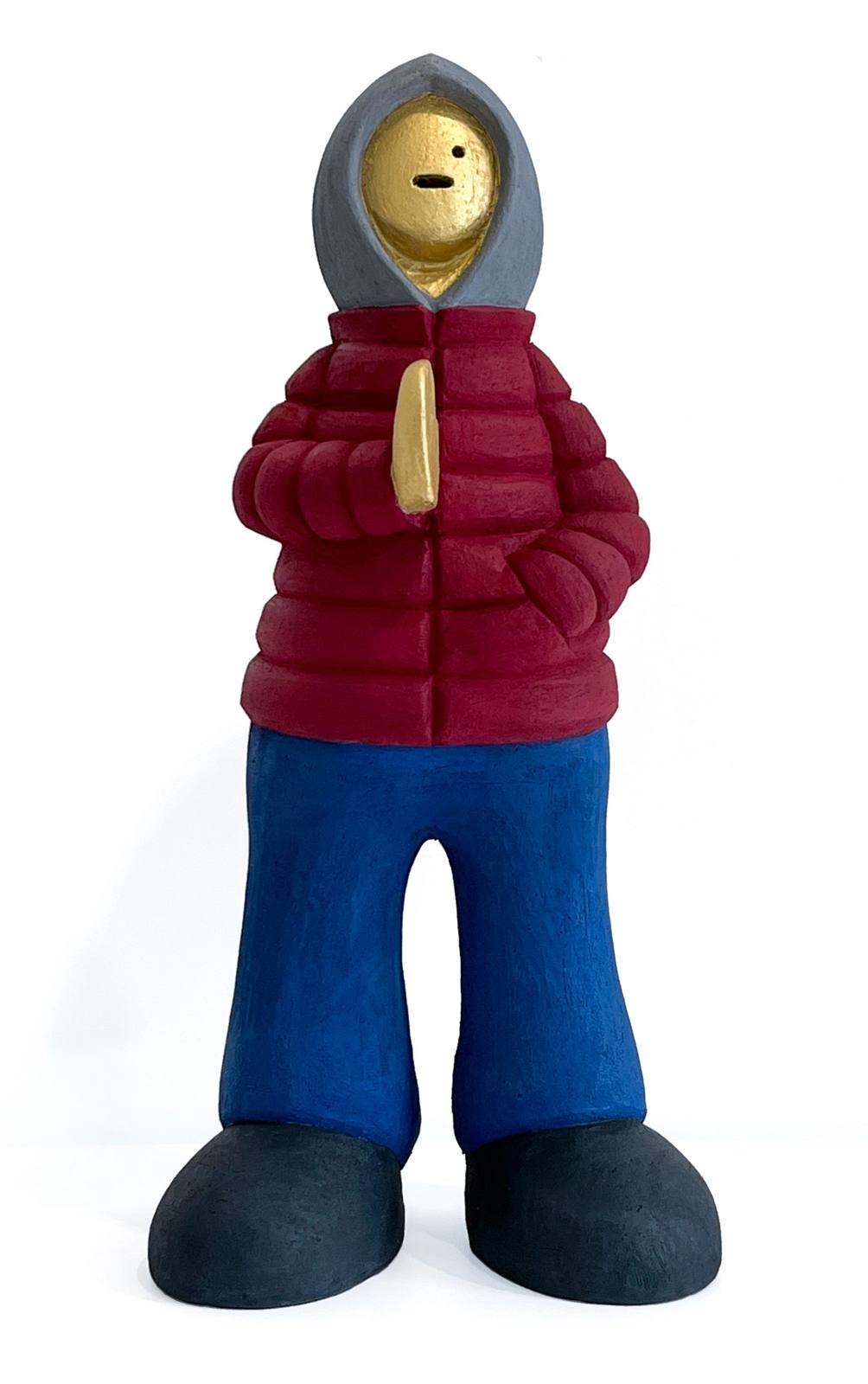
Natsuki Shibata is a ceramic artist celebrated for his inventive ceramic art series, Jizo-kun and Senju-kun. Drawing inspiration from traditional Japanese statues of Bodhisattva, Shibata’s work is deeply ingrained in cultural heritage. To craft his pieces, he utilises ancient techniques reminiscent of Jomon pottery. Beyond traditional influences, Shibata also incorporates elements of contemporary pop and street culture from Japan, blending the ancient with the modern to forge something truly unique.
Chisato Yasui finds it fascinating that in ceramics, the artwork itself becomes the narrator, expressing emotions and revealing the visible context of the unknown. It is a sort of rebirth when clay is transformed into ceramics; and when she holds the completed pieces, they convey to the artist a sense of original and unidentifiable context.
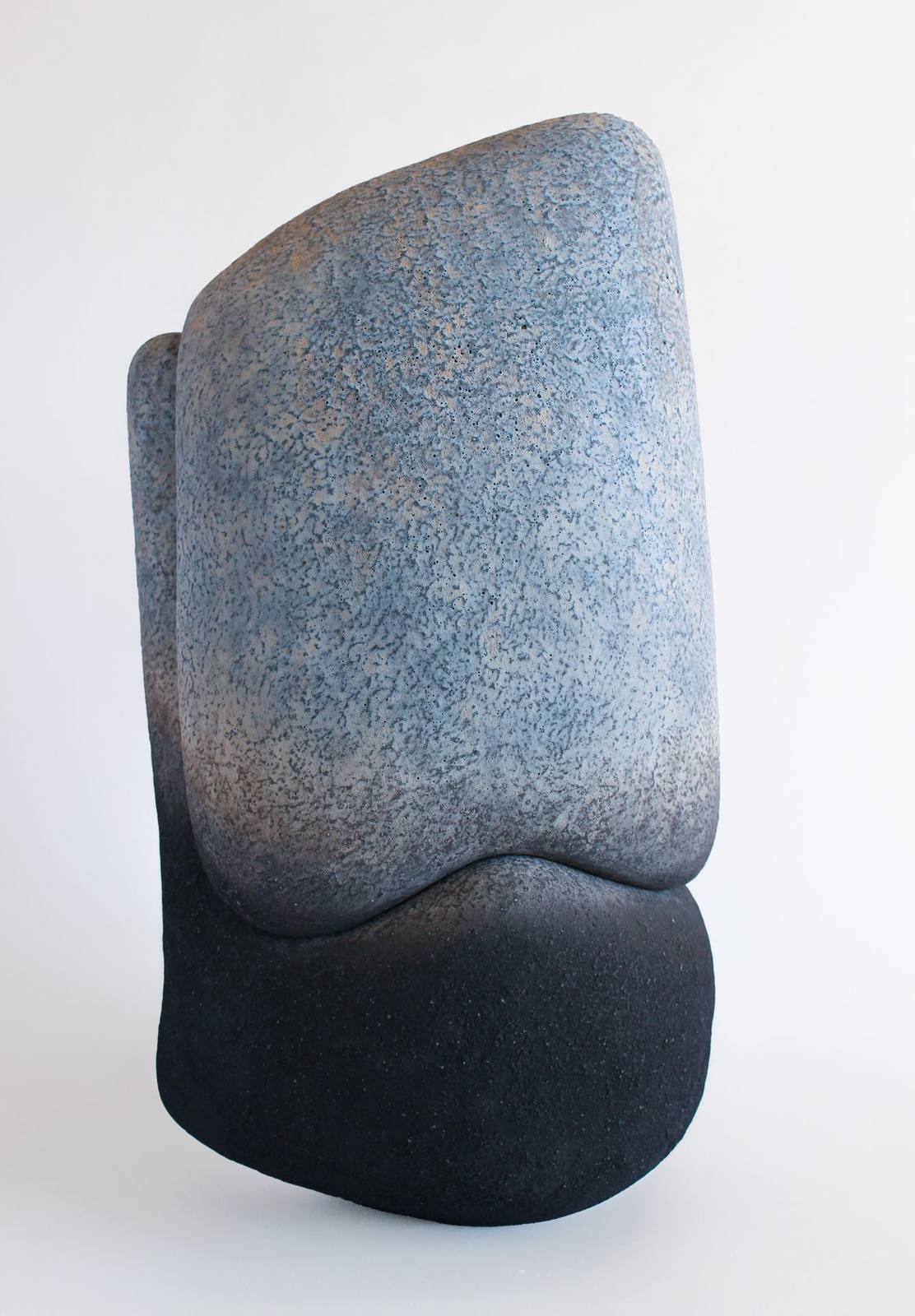
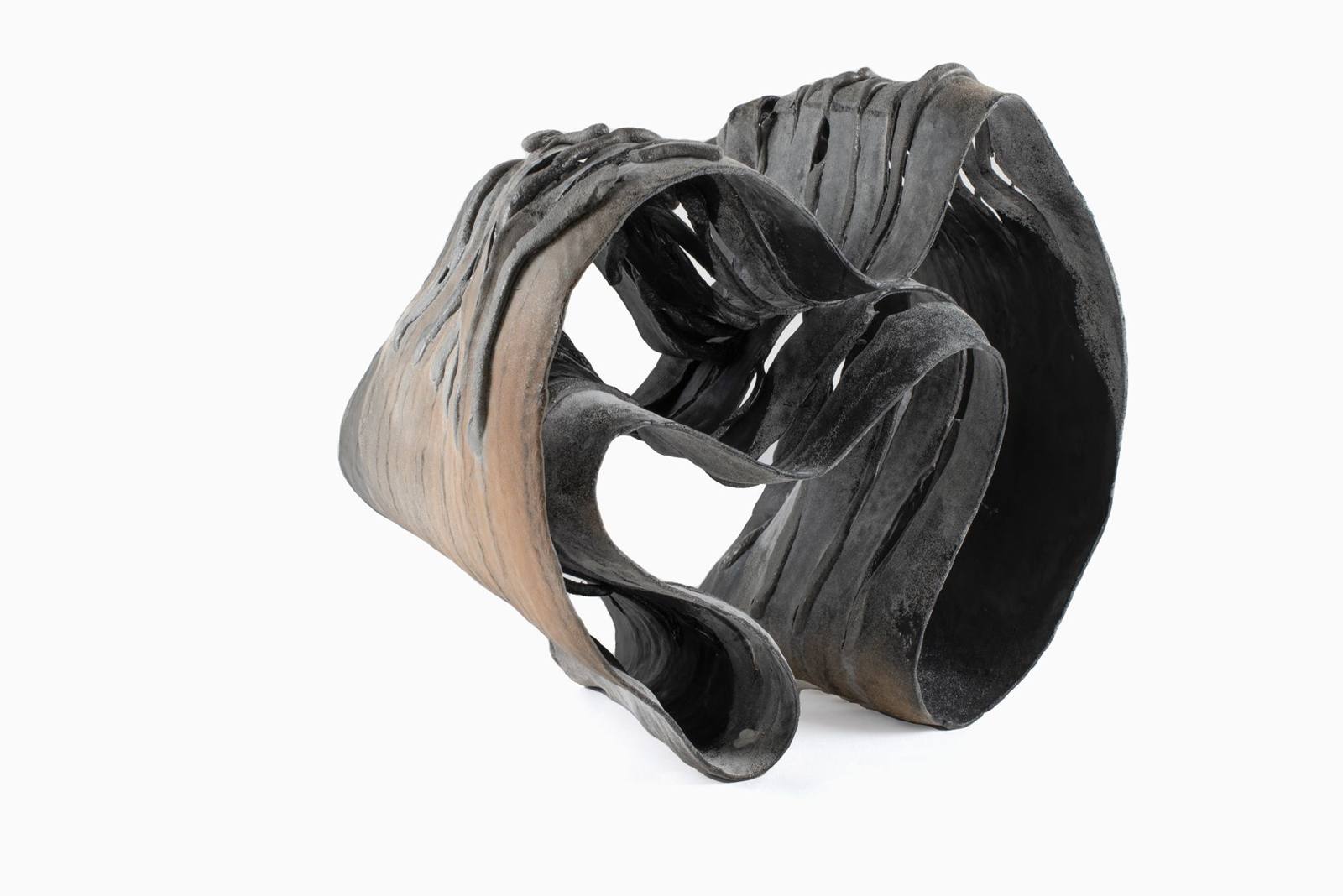
As a reminiscence of those primitive potteries, Kenji Gomi has renounced the use of artificial glazes, letting the oxides of the clay react with the firing process. This results in a predominantly black, grey, white, or earthy colour scheme. As the firing process strongly affects the selection of materials, influences the choice of shapes and creates the unique texture and colours of his sculptures, it has naturally become the most important process in the creation of his pieces.
The art form, deeply rooted in centuries of tradition, has been constantly revitalised by artists who experiment with shapes, techniques, and material. It results in a variety of outcomes engendered by the fascinating relationship between what a work of art should look like and from what it originates; form and earth.
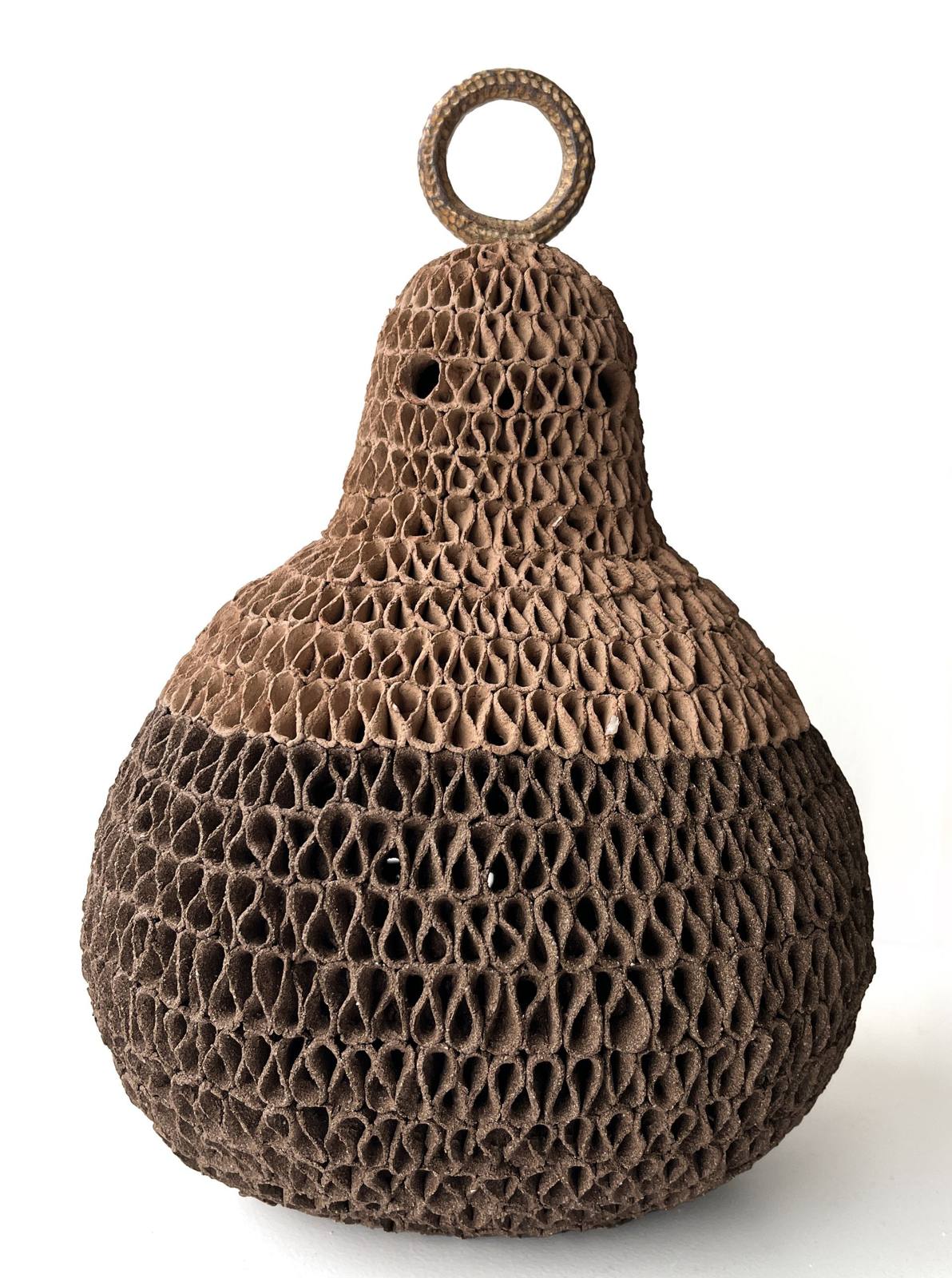
From the graceful curves of Shinya Tanoue’s works to the intricate textures and shapes of a sculpture from Namika Nakai, every creation of this show echoes the elemental forces that have sculpted our world for millennia.
Kansai Noguchi creates art pieces in a variety of shapes and textures, working with different types of medium, from clay to prints, by way of ink paintings. His aesthetic is often described as modern classical, with a limited colour palette usage. Although Kansai’s inspiration finds its source in the past, and echoes with pure lines from mid-century design, it displays an outstanding sense of contemporaneity.
In Teruri Yamawaki’s work, eyes have a special meaning, same as for the title or the caption of the piece. The rich human nature, with its variety of personalities and emotions, is reflected in her work. Depending on the shapes and facial expressions, the feelings they convey will be perceived differently by each viewer.
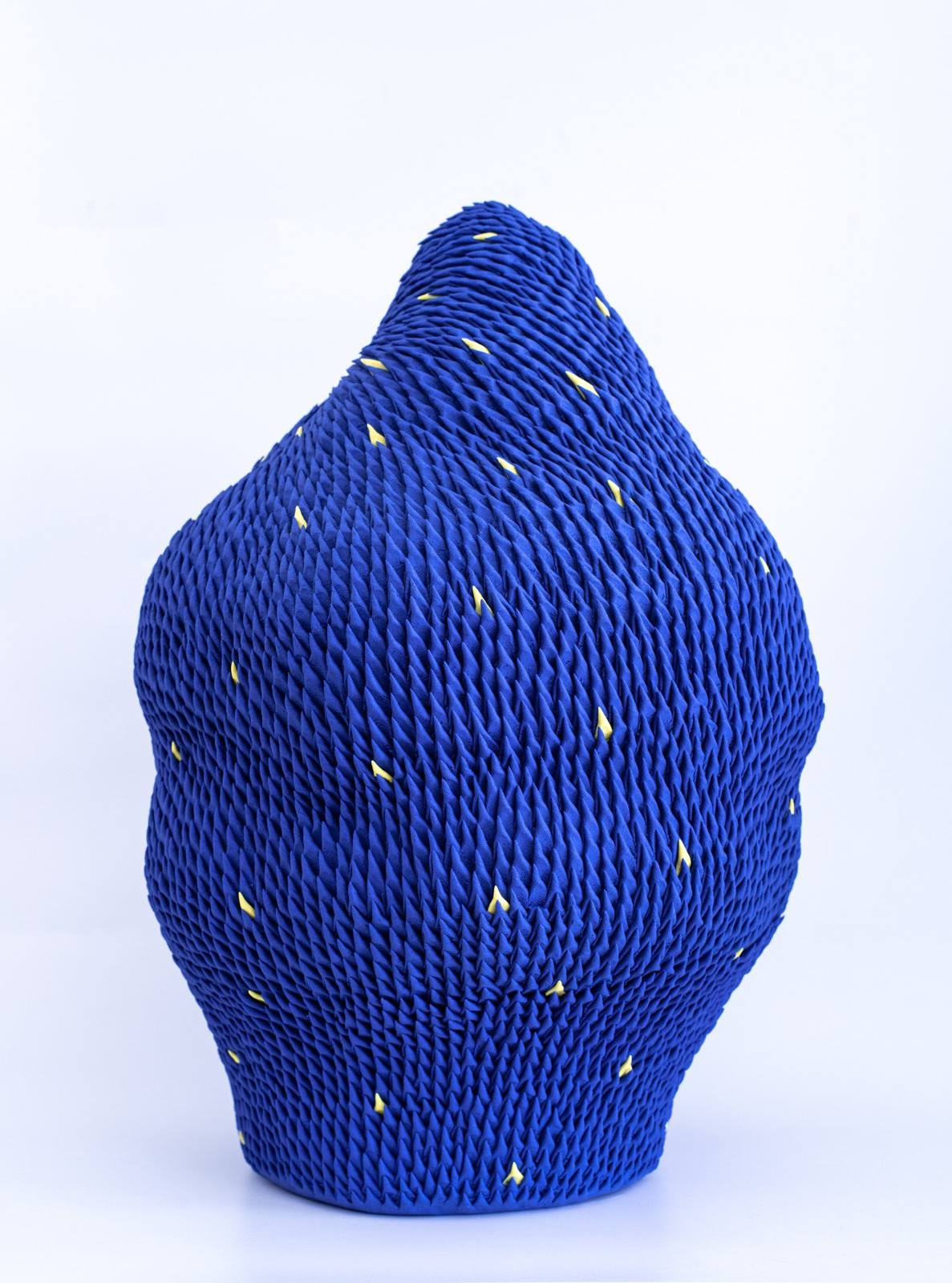
Namika Nakai reconsiders the traditional respective roles of clay and glaze by going further than conventional ideas about their relationship. Looking at glaze not for its decorative role but rather as a material more soluble than the clay itself, she started to experiment by considering the shape as a drawing or by baking the clay in unconventional manners. From her experience built on years of practice, Namika knows where the cracks will occur but not how deep they will be, and that is how she realized that the utmost control will automatically be thwarted through the baking process.
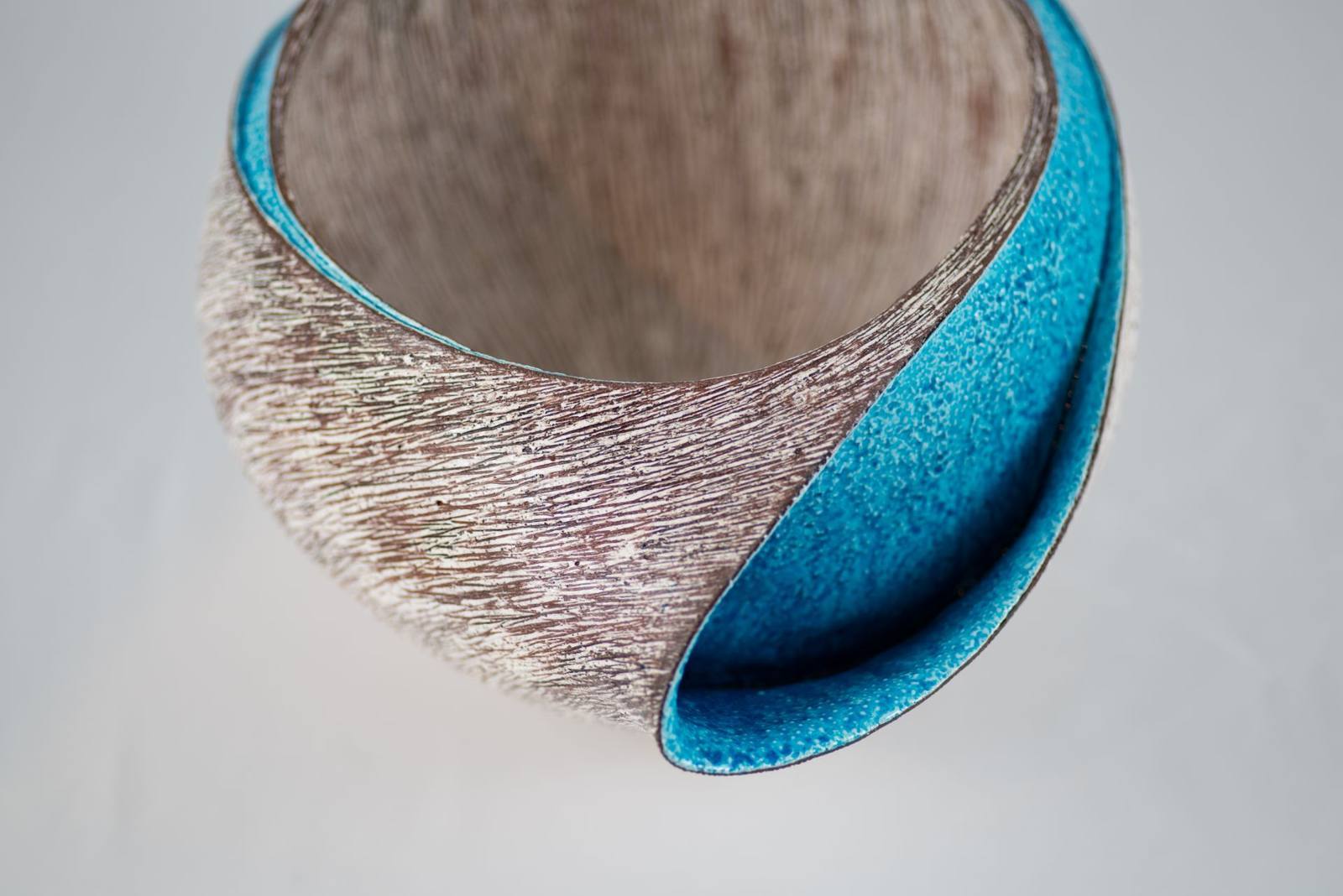
The recurring motif of the shell shape has been a central element in Shinya Tanoue’s ceramics since 2007. Symbolically, this form represents both the protective cocoon that nurtures life and the membranous support that sustains our existence. It evokes the eternal cycle of life and death, drawing inspiration from the intricate web of existence. Shinya frequently employs a cobalt-blue glazed interior, reminiscent of the vast ocean and serving as a metaphor for the wellspring of life.
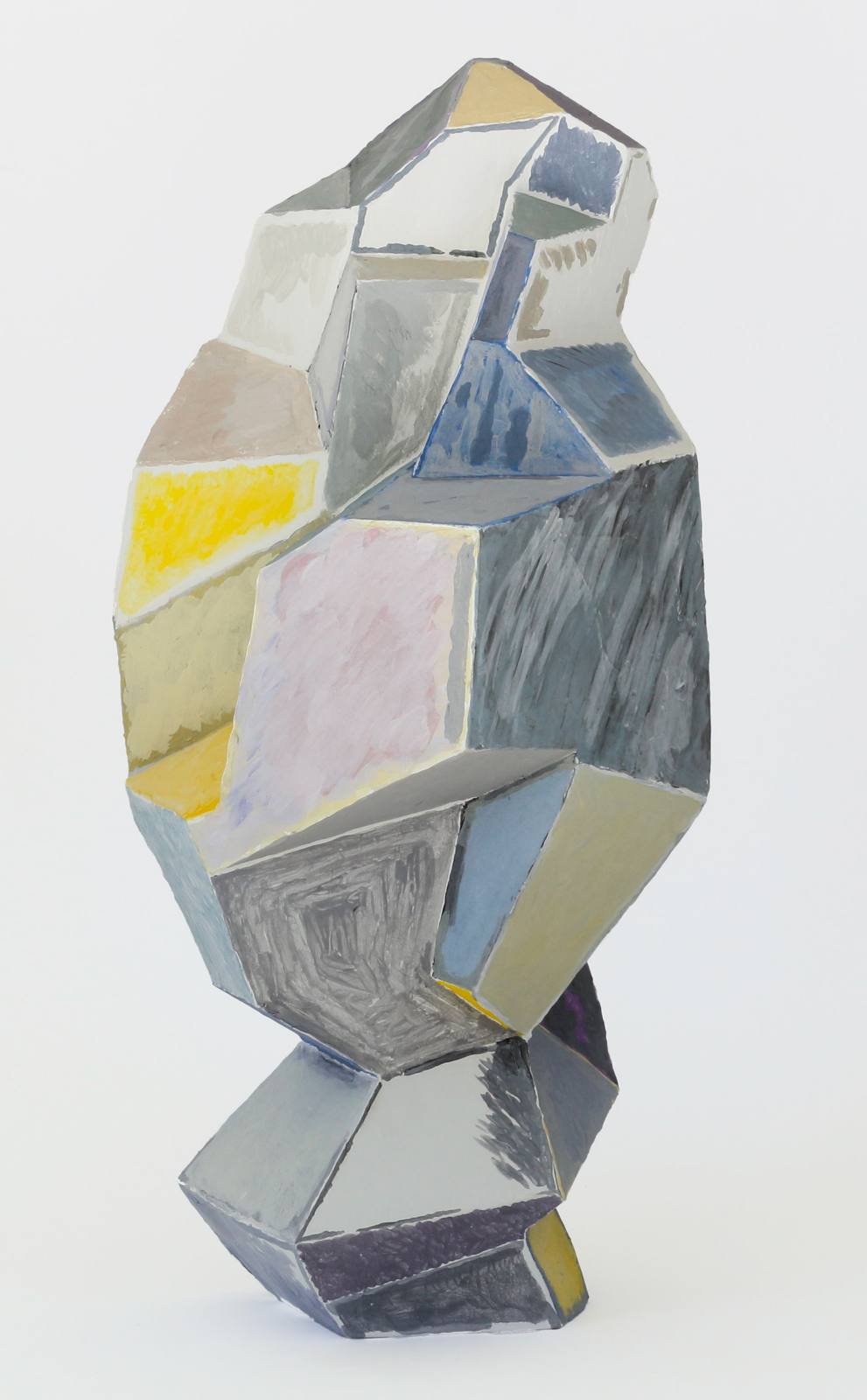
Sayuri Ikake explains her artistic approach as being a combination of ancient art representing nature as such and her willingness to create a shape for the shape itself. Movement is essential to Sayuri’s work, representing the breathing of the shape, its connection to reality. As essential as memory, emotion and human senses.
Form and Earth Resonances digs into the dynamic interplay between artistic vision and the raw elements of the earth. It also lets us appreciate the depth, diversity, and ingenuity of artists who, through their dedication to the craft, continue to push the boundaries of what is possible in ceramic art.