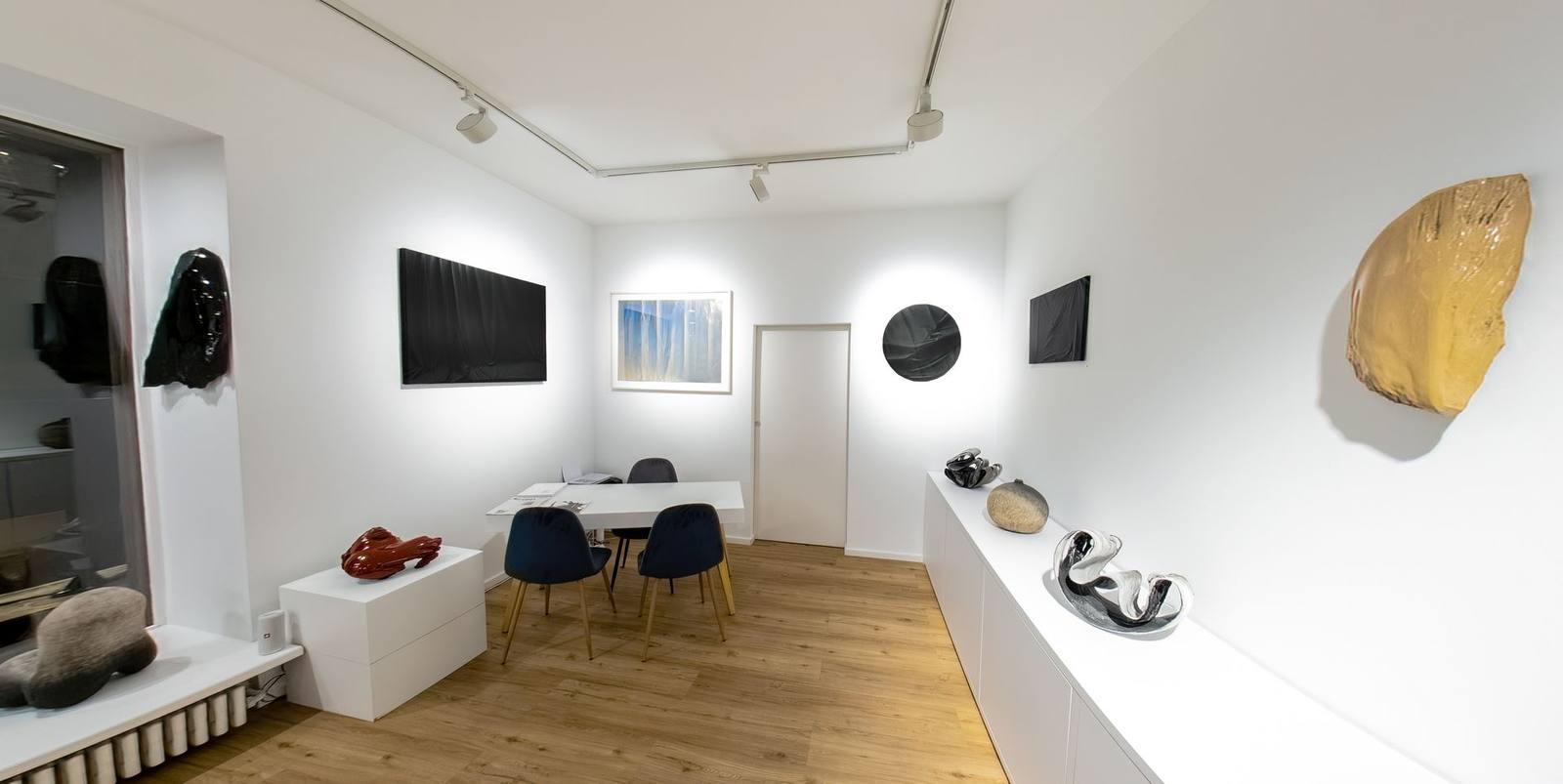
The Imperceptible Revealed
Group Show — Kenji Gomi / Namika Nakai / Reiko Kinoshita / Kohei Ukai
Not to reproduce the visible but to render the invisible sensible is itself the work. This second exhibition at the Verbier gallery brings together the work of four Japanese artists using different mediums to explore and express imperceptible forces impacting their respective creations.
How time, memory, legacy and symbiosis all influence not only the art making process but also the artwork itself is the common driver of exhibited artists Reiko Kinoshita, Kohei Ukai, Kenji Gomi and Namika Nakai; a willingness to demonstrate how intangible factors have a determinant influence on art.
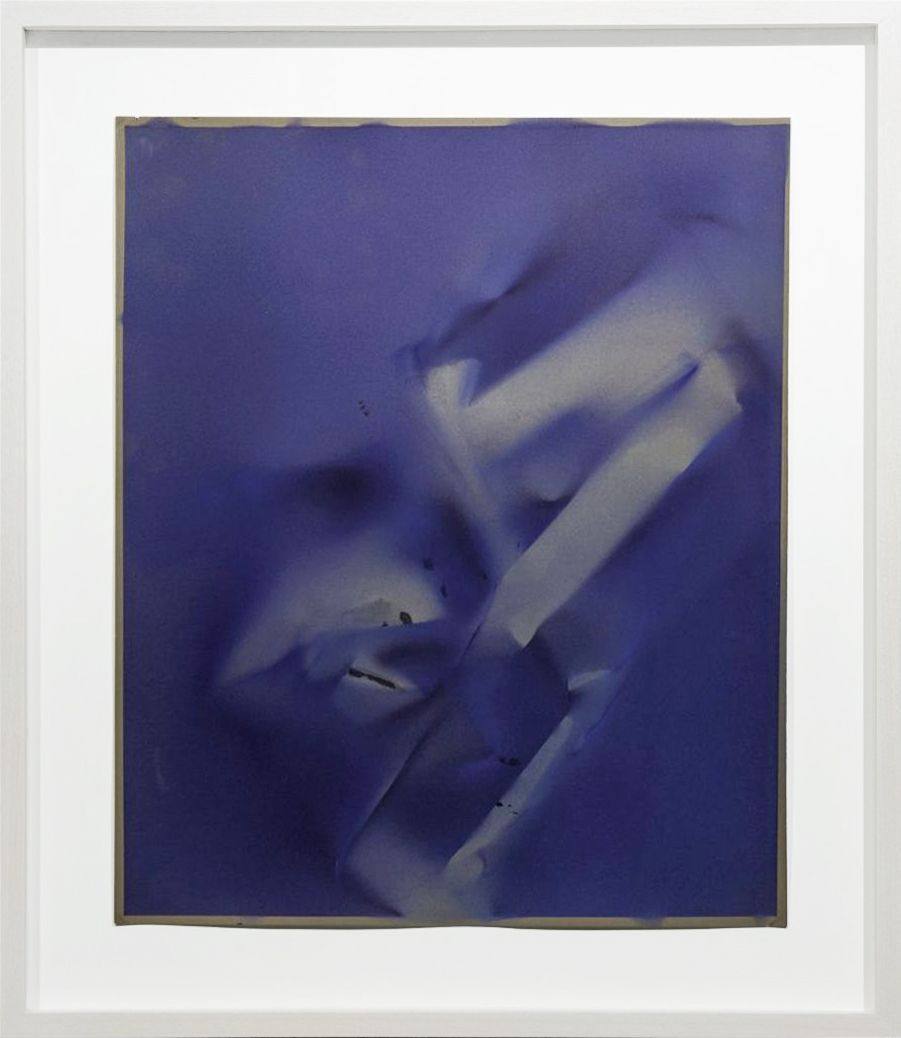
How to capture the passage of time with shapes’ memories is at the heart of Reiko Kinoshita’s artistic approach. When looking at her paintings one realizes that something was there before, but is not anymore; only the silhouette, the memory of the shape remains after time has passed. Reiko’s paintings, mainly on paper and fabric, reveal what goes on and what used to be, capturing the passage of time itself within the work.
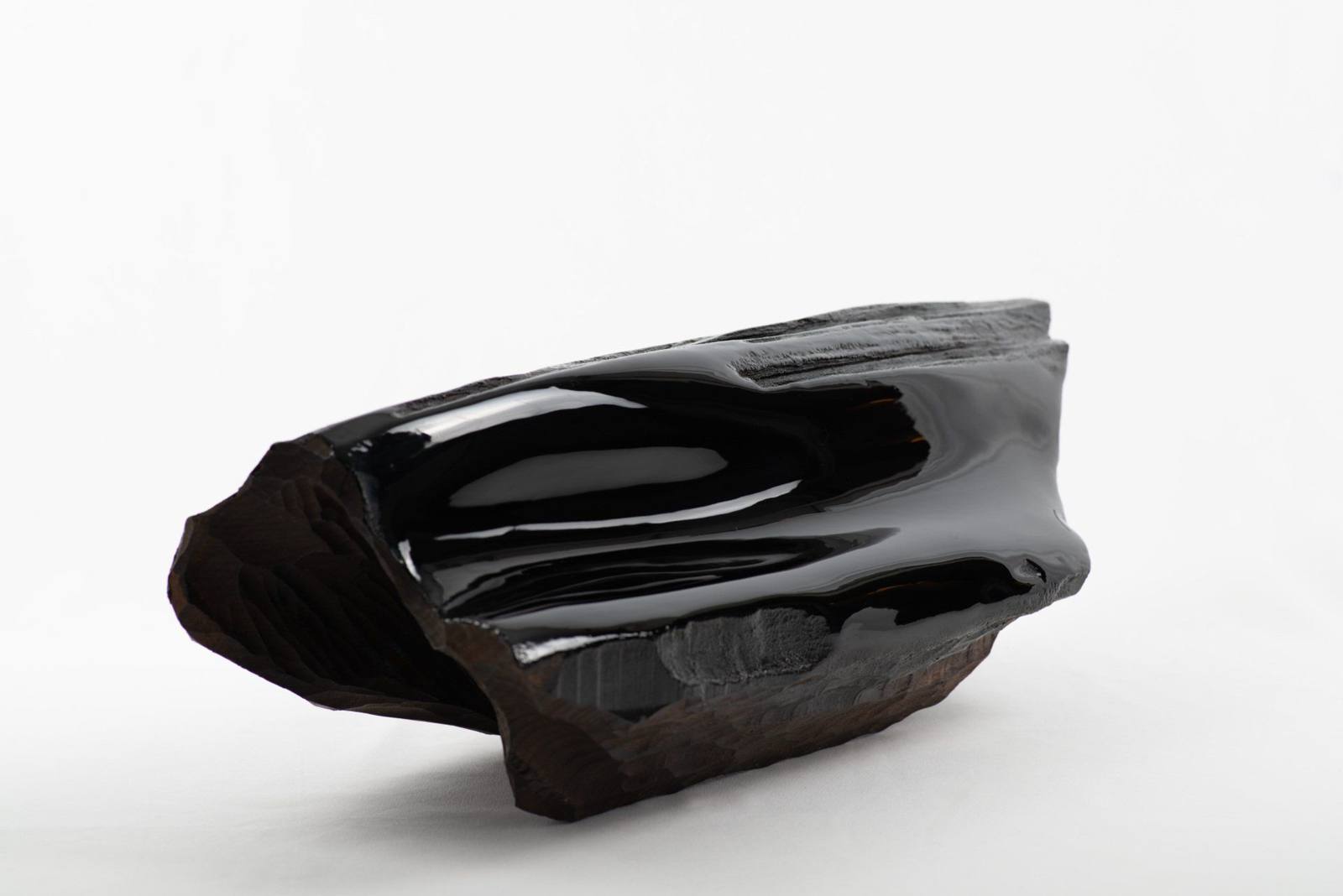
Kohei Ukai creates contemporary sculptures using urushi, a traditional Japanese lacquer technique which dates thousands of years back. Kohei is fascinated by the inherent and symbiotic relationship between the tree used as the basis of the artwork and urushi. Lacquer doesn’t have a shape of its own, it only acquires one after being applied on a surface; by doing so, the exterior indeed reveals the hidden interior of the sculpture. As much as it protects, urushi provides a nearly eternal quality to the surface of Kohei’s sculptures which stand out for their brilliance and elegance.
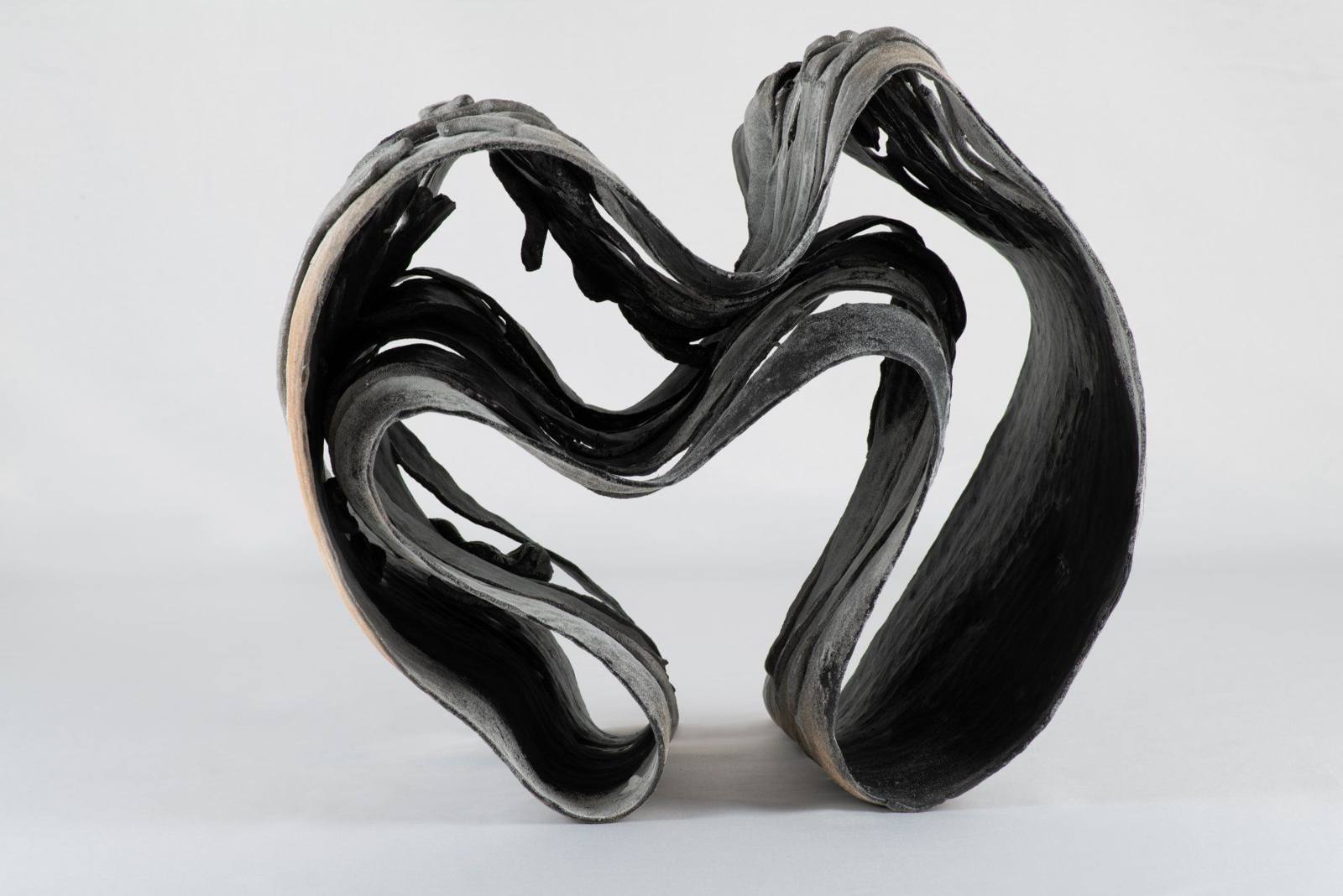
Namika Nakai’s work explores how porcelain and glaze respond to extreme firing temperatures. As strata are the visual result of rock formation, her sculptures reveal their forming when subject to extreme conditions, through specifically elaborated firing techniques. Cracks and wrinkles are not considered as defects but, instead, may be seen as part of the legacy of Japanese aesthetics, embracing and adorning imperfection.
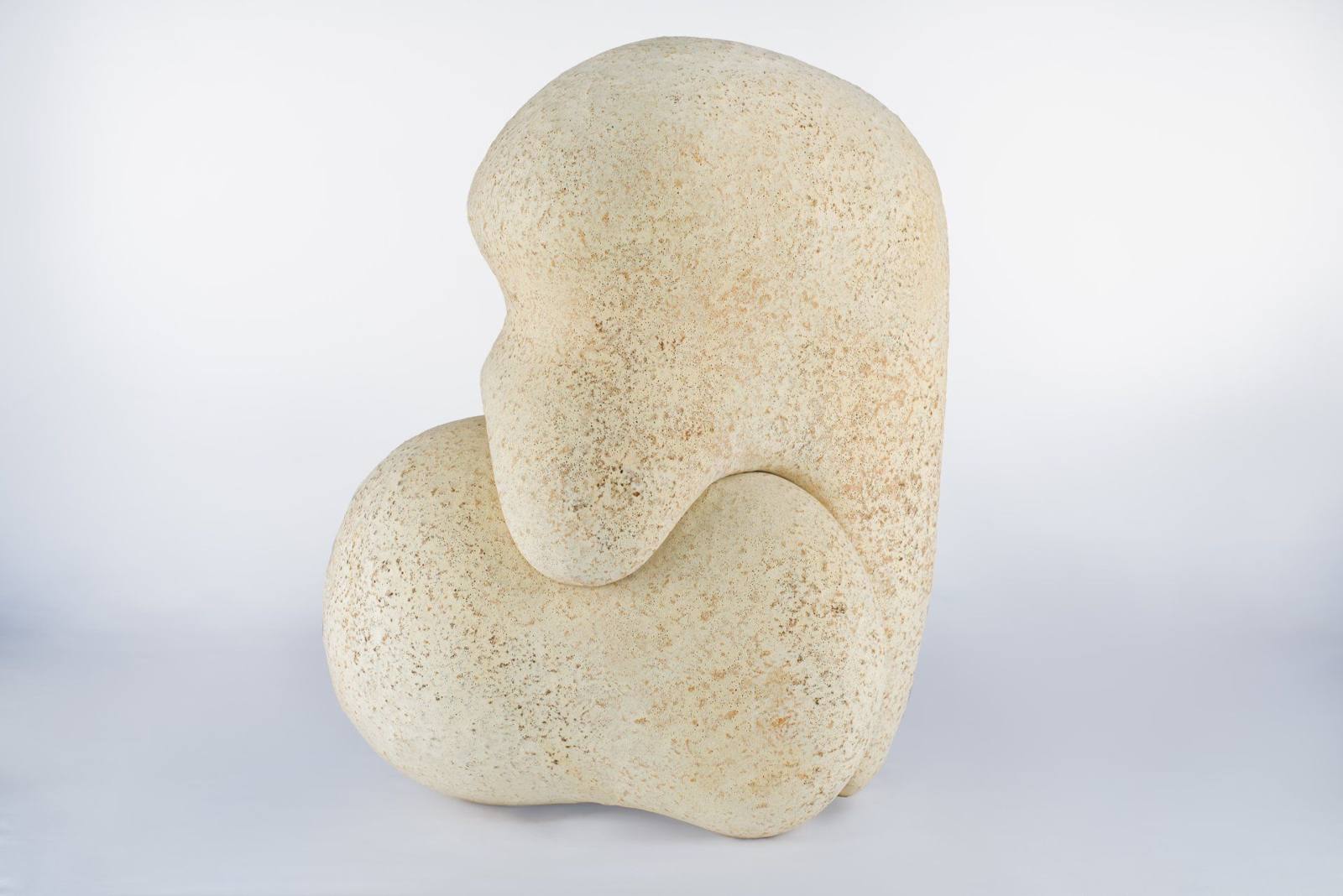
Kenji Gomi’s ceramic works examine the true nature of ceramic, and reveal the artist’s interest in the legacy left by the Jōmon potteries and the unearthed relics discovered in Chino, Nagano Prefecture. These relics attracted him, as one may feel the essence of the people who created them. Kenji’s moulding technique, even though being no different from the one used at that time, aims to create art by combining uniqueness and universality.